Photography Gear

Gear isn't everything — but it's not nothing either. This section covers the cameras, lenses, accessories, and equipment that photographers actually use, with an eye toward helping you make smart decisions rather than just chasing the latest release. Expect news, analysis, hands-on impressions, and the occasional reality check on whether that upgrade is actually worth it.

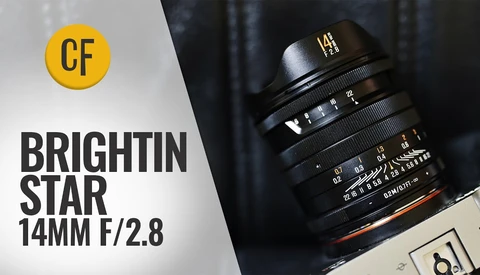
Brightin Star 14mm f/2.8 Review: Shockingly Cheap, but Does It Deliver?

Ultrawide lenses used to cost a fortune. A full frame 14mm f/2.8 from Canon or Nikon ran around $1,500 just over a decade ago, which put serious glass out of reach for a lot of people. Budget manual focus alternatives have changed that equation, and the Brightin Star 14mm f/2.8 is one of the most affordable yet, coming in at around $279.

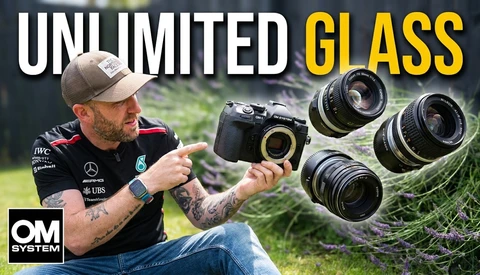
The Cheapest Way to Expand Your Micro 4/3 Lens Collection

The Panasonic Lumix GX8 is a Micro 4/3 camera, and that small sensor size gives it one genuinely unusual advantage: you can mount almost any lens ever made on it, from almost any manufacturer, as long as you have the right adapter.

How to Choose Between APS-C and Full Frame as a Beginner

One of the first real decisions a new photographer faces is sensor size, and it arrives wrapped in more anxiety than it deserves. The internet will tell you that full frame is "professional" and APS-C is "entry level," as if the sensor inside the camera decides whether your photos are any good. It does not. What sensor size actually changes is your reach, your low-light headroom, the amount of background blur you can get, the size and weight of your kit, and how much you spend, both now and over the years you keep shooting. Understanding those tradeoffs honestly is what lets you pick the right tool instead of the most expensive one.

When the Gear on Your Shelf Stops Being Just Inventory

The popular rule of selling unused gear after six months describes one specific kind of author, and photographers who keep specialized equipment connected to their actual practice are not the kind it had in mind. 

Carry-On Rules Are Getting Stricter for Photographers in 2026: Here's How to Adapt Your Kit

If you fly with a camera bag, 2026 is the year the gate finally caught up with you. The bag that "always made it on" for the last five years is now getting weighed, measured, and gate-checked with a consistency that did not exist before. For most travelers this is an annoyance. For photographers it is a real problem, because a camera kit is the densest, heaviest, and least checkable thing most people carry. A few bodies, a couple of fast lenses, batteries, and a charger can push past a 7-kilogram (15.4 lb) cabin limit before you have packed a single shirt, and unlike a sweater, you cannot exactly stuff a 70-200mm into the overhead and hope.
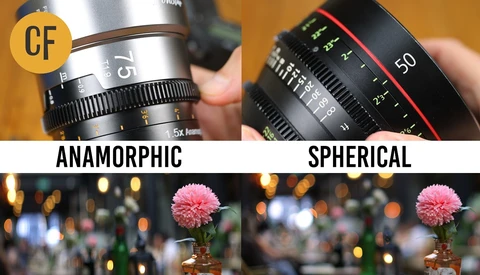
A $999 Anamorphic Lens vs. a $3,900 Cinema Lens: How Close Is the Gap?

Anamorphic lenses produce a look that's immediately recognizable: stretched bokeh, horizontal lens flares, and a cinematic quality that's defined Hollywood films for decades. The question most people face is whether that distinctive look is worth the tradeoffs compared to a conventional spherical lens.

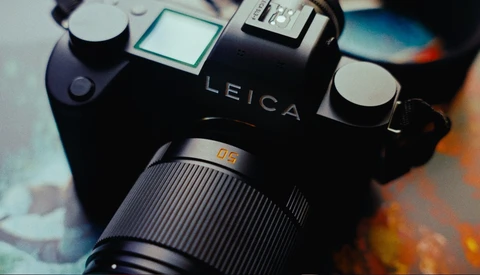
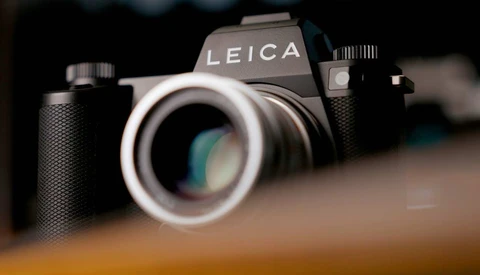
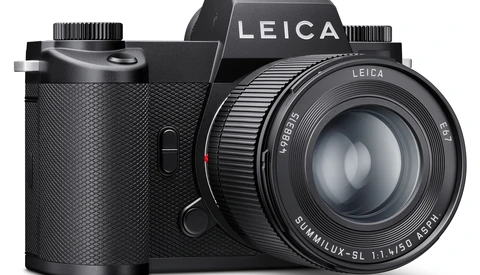
Leica SL3-P Review: Is This the Hybrid Camera the SL System Always Needed?

The Leica SL3-P positions itself as Leica's answer to a problem that has frustrated SL system users for a while: you had to choose between the video-focused SL3-S and the resolution-focused SL3, and if you shoot both stills and video seriously, neither option was a clean fit. The SL3-P sits between them, and Leica calls it the best camera they've ever made.
The Best Premium Compact Cameras in 2026

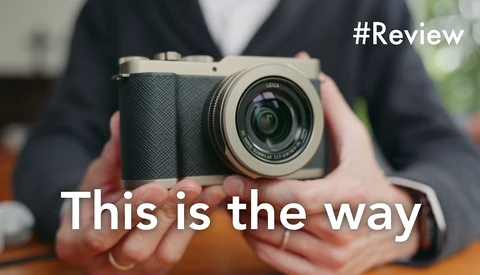
The compact camera is having a genuine revival, and it has caught the industry slightly off guard. Models that sat ignored for years are now selling out, prices are climbing, and manufacturers that abandoned the category are scrambling back into it. The reason is simple: people who grew up shooting on phones increasingly want something that feels deliberate, looks distinctive, and delivers image quality a phone cannot match. A premium compact earns its place by beating your phone at one of four things: image quality, reach, video, or the sheer pleasure of carrying and using it.
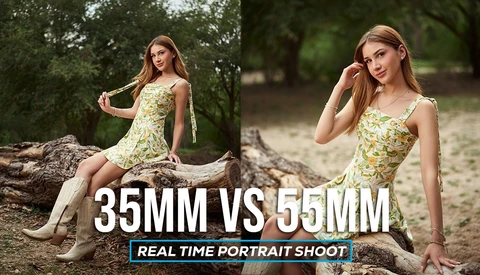
How to Actually Use an 85mm Lens for Better Portraits

Buying an 85mm lens is one of the most common moves in portrait photography, and it's also one of the most misunderstood. The lens has a reputation for good reason, but the way most people use it wastes most of what makes it worth owning.

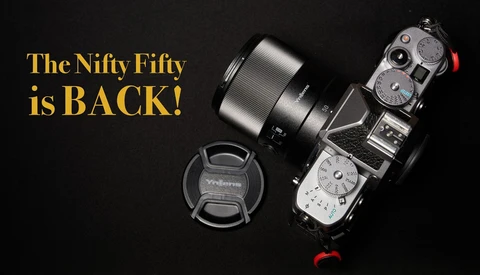
A $135 Full Frame Lens That Shouldn't Be This Good

At $135 a full frame autofocus 50mm lens sounds like a compromise waiting to happen. The Yongnuo 50mm f/1.8S DF is that lens, and it turns out the compromises are a lot smaller than you'd expect.

Apple's Cheapest MacBook Ever Is an Amazing Deal

The MacBook Neo sits at the bottom of Apple's MacBook lineup, and that single fact shapes everything about it. At its price point, it goes up against laptops that routinely disappoint, which makes what Apple has pulled off here genuinely worth paying attention to.

Leica SL3-P Review: 45 Megapixels, 8K Video, and a Real Autofocus Upgrade

The Leica SL3-P sits in an interesting position: a 45-megapixel hybrid that Leica designed to land between the speed-focused SL3-S and the resolution-heavy SL3, and the question of whether it actually pulls that off has real stakes if you're considering dropping serious money on any of the three.

Why a Decade-Old DSLR Keeps Winning Awards, and What That Should Teach You

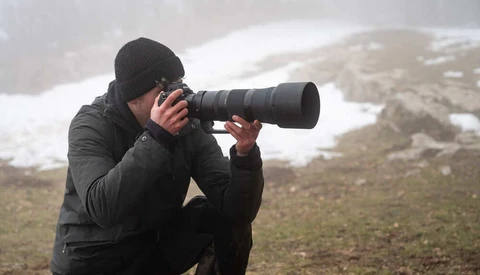
Earlier in 2026, a 15-year-old named Jack Crockford won his category at the British Wildlife Photography Awards 2026 with a frozen instant of a Eurasian hobby snatching prey out of the air, a shot that demands timing most photographers spend years failing to develop. He did it with an aging professional DSLR and a long telephoto lens, not one of the artificial-intelligence-driven mirrorless bodies that dominate every camera advertisement this year. On its own, that is a charming footnote. The problem is that it is not on its own.

Leica Announces the SL3-P

A new Leica camera always attracts attention. And while the M line is the brand's most famous line, there are many devotees of the SL system, which is a more contemporary system akin to cameras offered by Nikon, Canon, and Sony. Today, Leica announced the newest iteration, the SL3-P, a 44-megapixel camera designed for both speed and performance. 

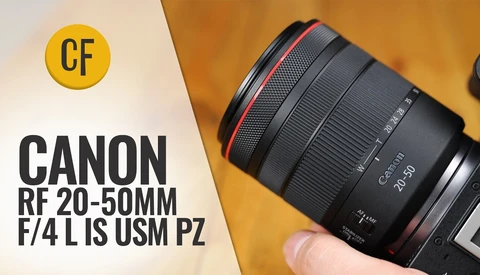
Canon RF 20-50mm f/4L IS USM PZ Tested on Full Frame and APS-C

The Canon RF 20-50mm f/4L IS USM PZ is a lens built around a specific kind of shooter: someone who wants wide angle coverage, reliable stabilization, and smooth power zoom control, all in one relatively compact package. At $1,400, it sits in territory where performance has to justify the price tag.

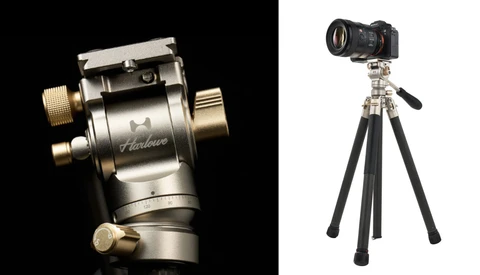
Harlowe Introduces a Stunning New Travel Tripod, and It’s Really Light!

Harlowe has just launched the Rocket Air, a brand-new tripod that is bundled with a fluid head, providing a wonderfully light solution for hybrid shooters. The fluid head has a leveling adjustment, so for me, this makes it the perfect travel tripod for photography. If I want to shoot some video too, the fluid head has very good dampening to absorb external vibrations and resist rapid, jerky movements.

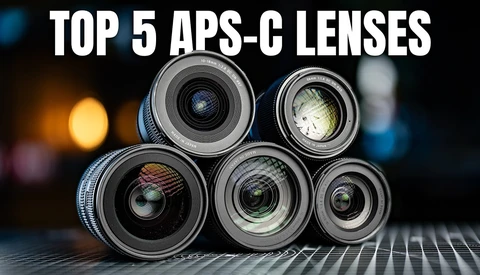
5 Sony APS-C Lenses Worth Shooting With Right Now

Choosing the right lens for a Sony APS-C camera is genuinely difficult right now, because the options have multiplied fast and the differences between them aren't always obvious. Curtis Padley has been shooting Sony APS-C for six years and has run through enough glass to have strong, experience-backed opinions about what actually works.

The Most Underappreciated Trend in Lens Design Right Now

For roughly two decades, the standard zoom lens started at 24mm. Before that, it started at 28mm or even 35mm. The 24-70mm f/2.8 became the default in the early 2000s and stayed there so long that the starting focal length became invisible. 24mm was simply where a standard zoom began, and nobody questioned it because there was nothing to question.

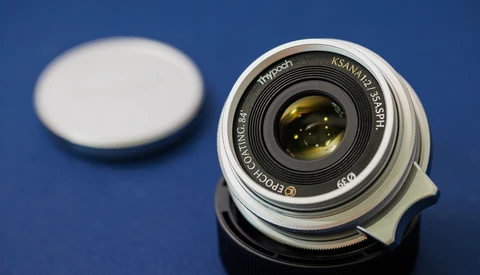
We Review Thypoch Latest Compact M Mount Lens: The Ksana 35mm F/2 Asph

Following my recent speculation about M-mount lenses being the next big thing, the M-mount ecosystem has seen some truly exciting developments lately. Even in such a niche and crowded market, we are still getting frequent releases from companies like Thypoch. And after all the good releases, they still manage to surprise us every now and then to give us a reason to pick their lens.

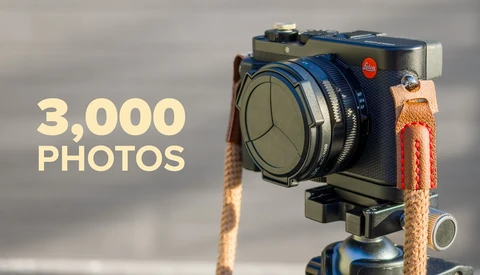
The Leica D-Lux 8 After 18 Months and 3,000 Shots

The Leica D-Lux 8 sits in an unusual spot: a Micro Four Thirds compact with a fixed zoom lens, priced like a premium tool, marketed as something you actually carry. After nearly 19 months and close to 3,000 images, Peter Fritz has moved well past first impressions, and his conclusions are more nuanced than the usual early review.

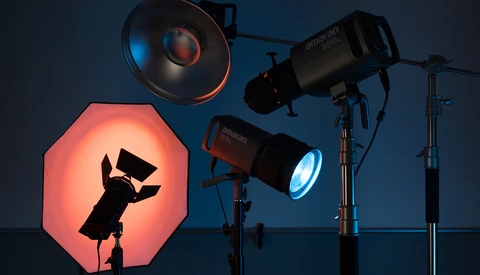
PMI's New 'Vanishing Fog' Makes Adding Smoke Easier Than Ever

 I used to think all fog machine liquid was the same. Never once had I considered that a new fog formula could be far better than what I've been using for decades. PMI's Vanishing Formula Kit has changed my opinion, and today I test it against three of the most popular portable fog systems on the market. 

Which Is Right for You? Canon's R6 Lineup Compared: Mark II vs. Mark III vs. R6 V

The Canon EOS R6 used to be a simple recommendation. You wanted a full frame hybrid that did a little of everything well without costing as much as the R5, so you bought the R6, and that was the end of the conversation. That clarity is gone. The line has split into three very different cameras that happen to share a name, and choosing between them now means knowing what kind of shooter you actually are. The good news is that once you sort that out, the right answer becomes obvious, because Canon has aimed each of these bodies at a genuinely different person.

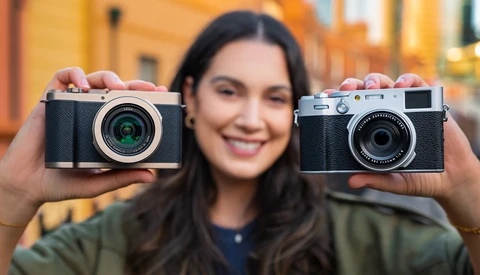
Fujifilm X100VI vs. Panasonic Lumix LX10: Which Compact Is Actually Better for Travel?

Choosing a compact travel camera is harder than it looks, especially when two solid options sit at very different price points with very different sensor sizes, lenses, and feature sets. The Fujifilm X100VI and the Panasonic Lumix LX10 both pitch themselves as small, capable everyday cameras, but they take genuinely different approaches to getting there.

The Case for Micro Four Thirds Sensors in 2026

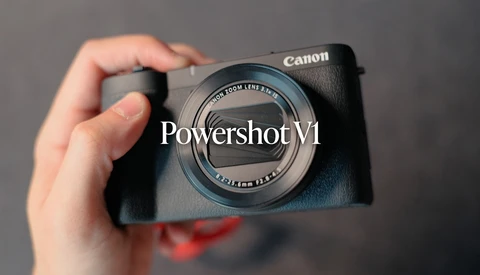
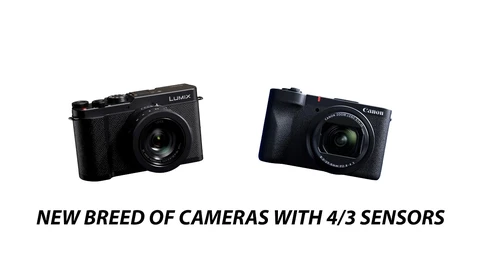
The Canon V1 and Panasonic Lumix L10 are two of the most interesting cameras in recent memory, and not because they're pushing sensor size upward. They're doing the opposite, and making a case that a Four Thirds sensor might be exactly what most people actually need right now.

My Amazon Prime Day Pick: The OBSBOT Tail 2

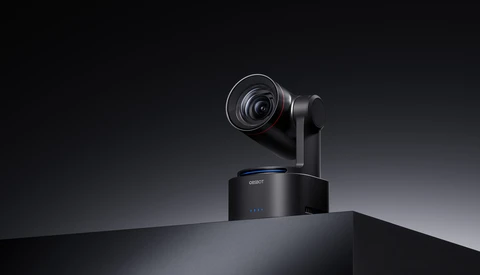
Prime Day is an excellent opportunity to pick up top tech at lower prices, but it can be a little overwhelming when browsing through all the products on offer. The OBSBOT Tail 2 is one such product, which we previously reviewed and recommended, and now has a great Prime Day deal. From vloggers, creators, and YouTubers to live-streaming conferences and gatherings of all kinds, this little PTZR camera is the camera crew that fits in your pocket.

The Panasonic L10 Is the LX100 Successor Nobody Expected

The Panasonic L10 lands in a genuinely narrow space: a compact camera with a large sensor, a zoom lens, and serious video features. If you've wanted something between a Ricoh GR IV and a full-blown mirrorless kit, this camera makes a real case for itself.

We Review the Neewer Q120 Outdoor Strobe Flash

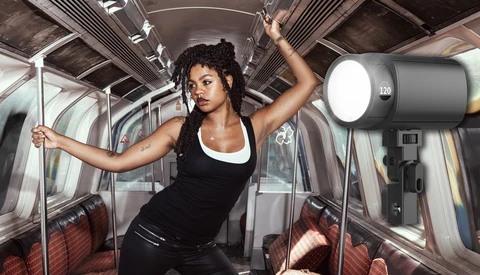
The Neewer Q120 is a compact 120 Ws TTL pocket strobe aimed at photographers who want more power than a speedlight without carrying a full-size studio flash. After using it for outdoor portraits and location shoots, I found it surprisingly capable for its size. Compact and lightweight, the Q120 is clearly designed for outdoor and location shooting, but is it worth adding to your kit bag?

7Artisans 35mm f/2.8 M Mount: A Tiny Lens With Classic Rangefinder Charm

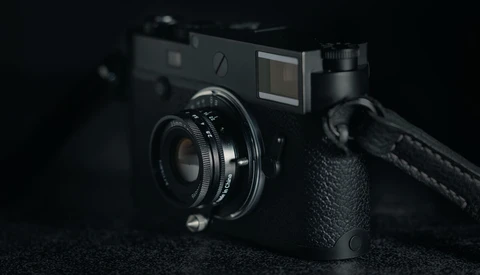
If you think the 7Artisans 35mm f/2.8 M Mount lens looks like it belongs to another era, you'd be quite correct. It was inspired by the compact optics used on Leica's early Barnack cameras in the 1930s. This tiny beauty, weighing just 88 g, embraces simplicity, portability, and character in a way that many modern lenses have forgotten.

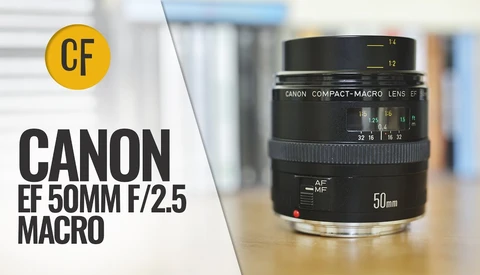
The Canon EF 50mm f/2.5 Compact Macro Is 40 Years Old. Here's How It Holds Up.

Canon's oldest EF mount lenses are worth a second look now that they adapt so cleanly onto modern mirrorless bodies. The Canon EF 50mm f/2.5 Compact Macro is one of the more interesting cases: a lens from 1987 that regularly sells for under $100 on eBay and still communicates fully with current Canon R-series cameras, including in-body stabilization and in-camera corrections.

The 10 Most Important Camera Settings: A Plain-Language Glossary for Beginners

A new camera presents you with hundreds of settings, and the manuals that explain them are written as if you already understand the vocabulary. You do not need to learn all of it. You need to understand about ten settings well, because those ten control almost everything about how your photographs turn out. Here is what each one does, in plain language, without the jargon that makes photography sound harder than it is.

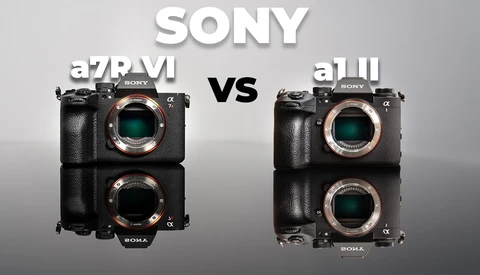
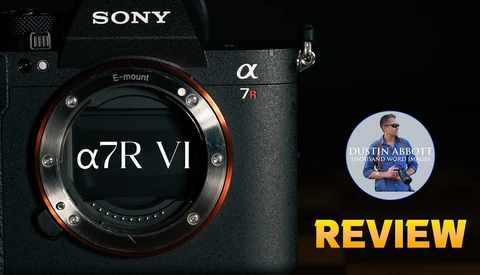
The Sony a7R VI Has the Best Full Frame Sensor Ever Made. Here's the Catch.

The Sony a7R VI raises the resolution bar for full frame cameras to 66.8 megapixels on a fully stacked sensor, and that combination produces results that will make you rethink how much camera you actually need. The stacked design isn't just about pixels — it's what allows the a7R VI to shoot 30 frames per second with full autofocus and a blackout-free viewfinder at that resolution.

40-150mm Plastic Fantastic: Can a $100 Lens Actually Deliver?

Sharpness is one of photography's most debated specs, and it's also one of the most overrated. The Olympus 40-150mm f/4-5.6 R is widely considered one of the least sharp lenses in the Micro Four Thirds lineup, and Chris Baitson decided to take it out for a full shooting session anyway.

Viltrox 28mm F/4.5 L Review: An L-Mount Lens With the Size of a Body Cap

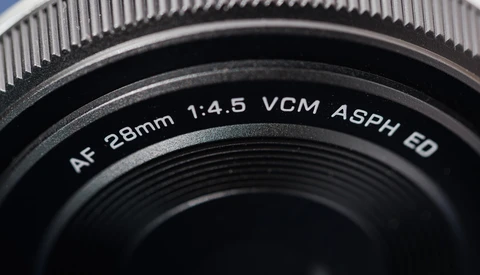
Behind every lens decision is a balancing act between autofocus, portability, and excellent optical quality. It usually feels like you can only pick two. But with the introduction of Viltrox's second L-mount lens, the AF 28mm f/4.5 L, we might have just found a recipe that genuinely delivers on all three fronts by making the compromise elsewhere: a fixed, slower aperture. In this article, I will be putting this tiny lens to the test to see if it actually holds up its end of the bargain—translating a spec sheet into real-world performance.