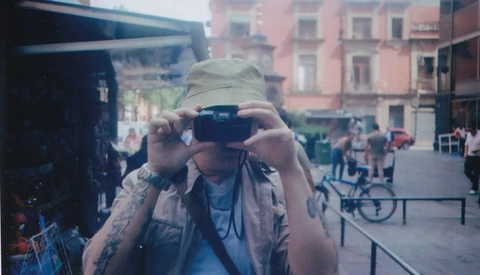
In 2026, I Still Carry an Olympus Stylus Infinity
Photography, in this social media era, has become exhausting.
Photography, in this social media era, has become exhausting.
Why fix what isn't broken? Well, Viltrox seems to have a good subtle reason as to why it did with the 35mm f/1.2 LAB (N) that photographers might appreciate.
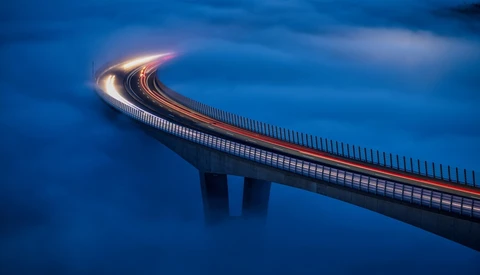
The Fstoppers community is brimming with creative vision and talent. Every day, we comb through your work, looking for images to feature as the Photo of the Day or simply to admire your creativity and technical prowess. In 2026, we're featuring a new photographer every month, whose portfolio represents both stellar photographic achievement and a high level of involvement within the Fstoppers community.
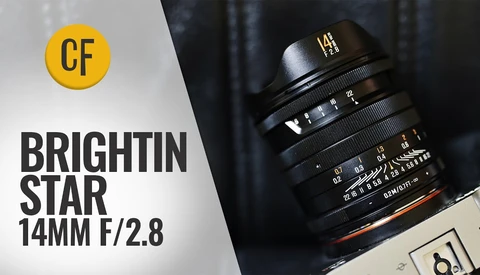
Ultrawide lenses used to cost a fortune. A full frame 14mm f/2.8 from Canon or Nikon ran around $1,500 just over a decade ago, which put serious glass out of reach for a lot of people. Budget manual focus alternatives have changed that equation, and the Brightin Star 14mm f/2.8 is one of the most affordable yet, coming in at around $279.
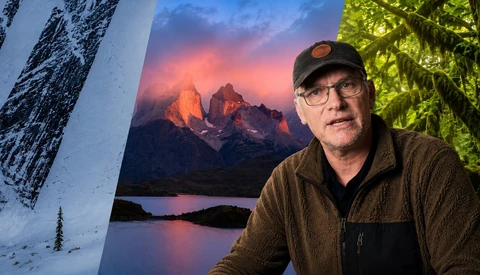
Chasing dramatic landscapes and remote destinations is easy to justify when the results look stunning on social media. But Adam Gibbs, who has photographed Antarctica, Patagonia, Iceland, and the Canadian Rockies, has spent years questioning whether spectacular scenery actually produces better photographs.
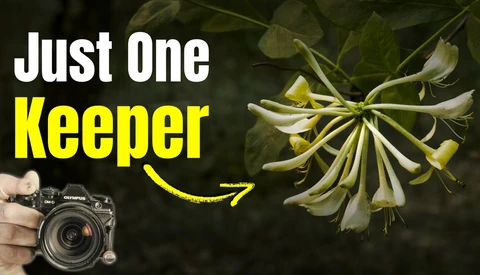
Shooting in summer woodland feels like a compromise before you even start. The light is harsh, the shadows are heavy, and translating a complex three-dimensional forest into a compelling two-dimensional frame is genuinely difficult.
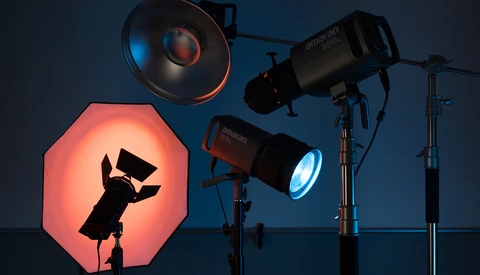
The popular rule of selling unused gear after six months describes one specific kind of author, and photographers who keep specialized equipment connected to their actual practice are not the kind it had in mind.
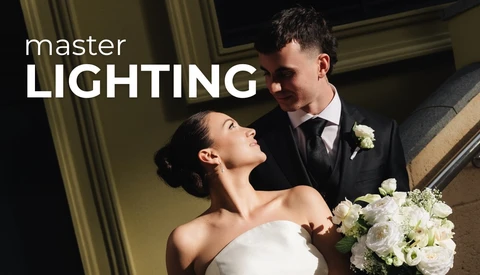
Lighting is the single biggest variable that separates wedding photos that look polished from ones that just look okay. Unlike studio work, weddings give you no guarantees: harsh midday sun, deep shade, candle-lit receptions, and everything in between can all show up in a single day.
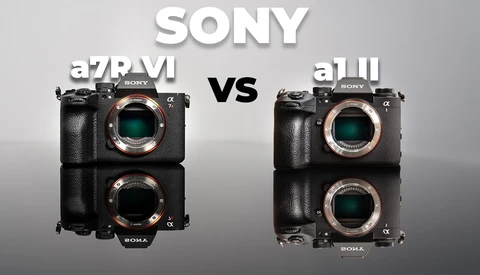
Choosing between the Sony a7R VI and the Sony a1 II is genuinely difficult, and the spec sheets don't make it any easier. On paper, the two cameras overlap so heavily that you could easily talk yourself into either one without ever really knowing if you made the right call.
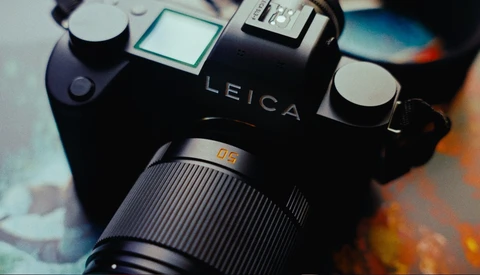
The Leica SL3-P positions itself as Leica's answer to a problem that has frustrated SL system users for a while: you had to choose between the video-focused SL3-S and the resolution-focused SL3, and if you shoot both stills and video seriously, neither option was a clean fit. The SL3-P sits between them, and Leica calls it the best camera they've ever made.
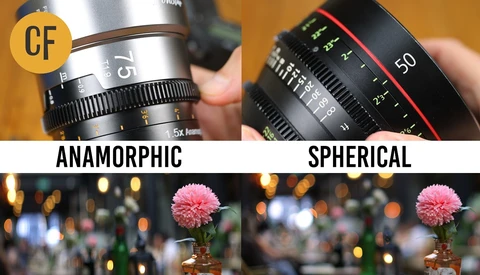
Anamorphic lenses produce a look that's immediately recognizable: stretched bokeh, horizontal lens flares, and a cinematic quality that's defined Hollywood films for decades. The question most people face is whether that distinctive look is worth the tradeoffs compared to a conventional spherical lens.
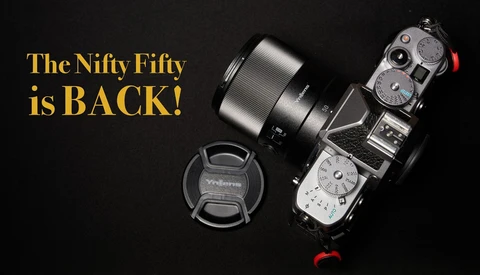
At $135 a full frame autofocus 50mm lens sounds like a compromise waiting to happen. The Yongnuo 50mm f/1.8S DF is that lens, and it turns out the compromises are a lot smaller than you'd expect.
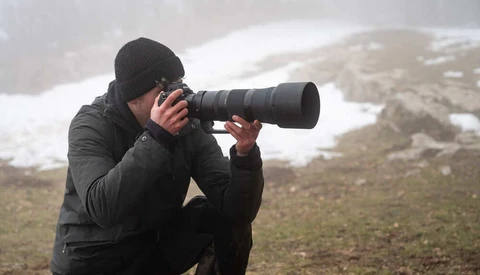
Earlier in 2026, a 15-year-old named Jack Crockford won his category at the British Wildlife Photography Awards 2026 with a frozen instant of a Eurasian hobby snatching prey out of the air, a shot that demands timing most photographers spend years failing to develop. He did it with an aging professional DSLR and a long telephoto lens, not one of the artificial-intelligence-driven mirrorless bodies that dominate every camera advertisement this year. On its own, that is a charming footnote. The problem is that it is not on its own.
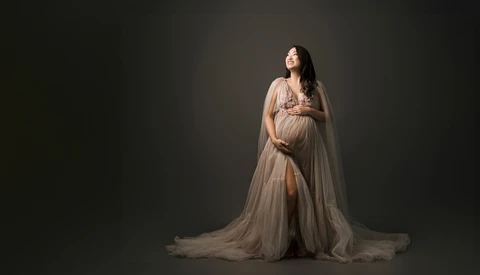
Why do I tell every maternity client, "Show up in your pajamas and I will take care of you"? Great maternity portraits have very little to do with fancy equipment or complicated lighting setups. They start with trust, and that trust begins long before the camera comes out.
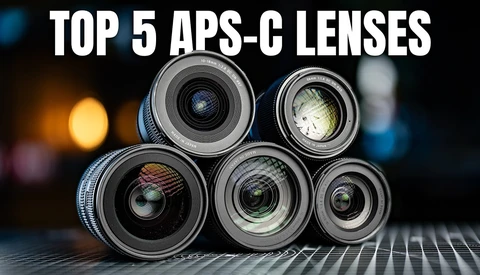
Choosing the right lens for a Sony APS-C camera is genuinely difficult right now, because the options have multiplied fast and the differences between them aren't always obvious. Curtis Padley has been shooting Sony APS-C for six years and has run through enough glass to have strong, experience-backed opinions about what actually works.
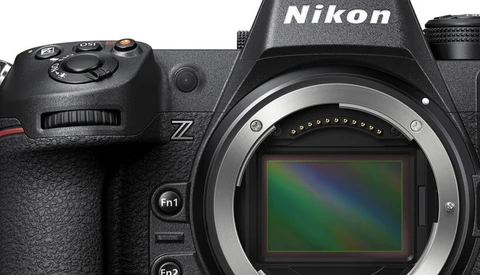
It has been about 1.5 years since the Nikon Z9 was announced, and the company is about due for another big camera announcement. It looks like that might be happening soon, with activity ramping up behind the scenes.
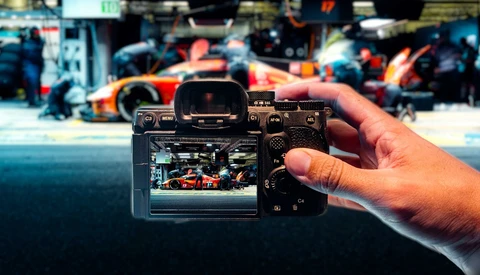
Shooting the 24 Hours of Le Mans sounds thrilling until you realize you're standing inches from cars doing 200 mph for 40 hours straight. The gear choices, accreditation requirements, and shooting approach at an event like this are genuinely different from anything else in motorsport photography.
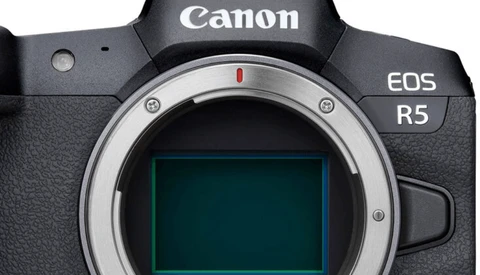
Believe it or not, it has been three and a half years since the Canon EOS R5 was first announced, and as such, many photographers are starting to look for its successor, the Mark II. And as luck would have it, we might see it announced fairly soon.
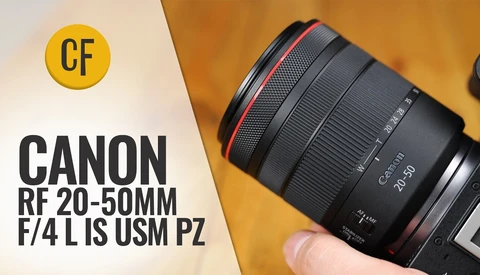
The Canon RF 20-50mm f/4L IS USM PZ is a lens built around a specific kind of shooter: someone who wants wide angle coverage, reliable stabilization, and smooth power zoom control, all in one relatively compact package. At $1,400, it sits in territory where performance has to justify the price tag.
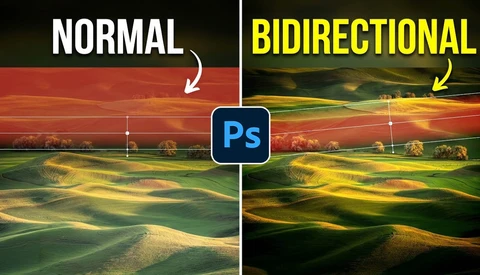
Camera Raw 18.4 just shipped with three masking features that Lightroom still doesn't have, and one of them has been on photographers' wish lists for over a decade.
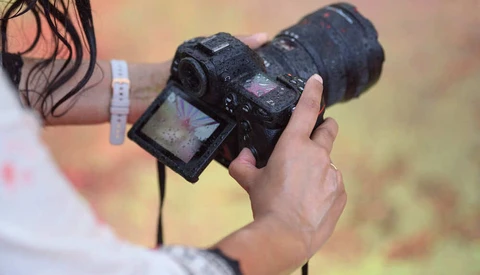
A new camera presents you with hundreds of settings, and the manuals that explain them are written as if you already understand the vocabulary. You do not need to learn all of it. You need to understand about ten settings well, because those ten control almost everything about how your photographs turn out. Here is what each one does, in plain language, without the jargon that makes photography sound harder than it is.
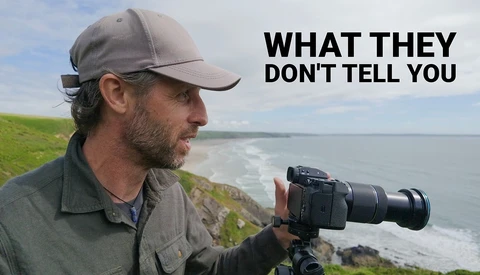
Shooting landscapes solo sounds peaceful in theory, but for many people it's genuinely difficult at first, especially if you've spent most of your life surrounded by others. Ian Worth spent nearly two decades earning a living with a camera, and even he found the transition jarring.

The MacBook Neo sits at the bottom of Apple's MacBook lineup, and that single fact shapes everything about it. At its price point, it goes up against laptops that routinely disappoint, which makes what Apple has pulled off here genuinely worth paying attention to.
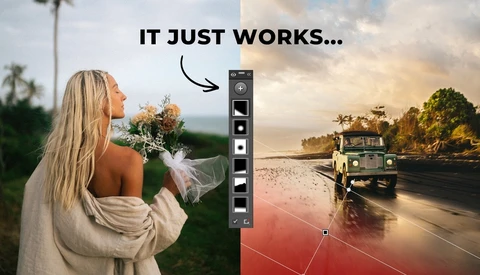
Lightroom's masking tools are the single biggest gap between a flat edit and one that looks professionally dialed in. Most people skip them entirely, and their edits suffer for it.

You've got your subject, you've got your elements, you've got your rule of thirds composition, but you're missing something in the foreground. How do you find the perfect foreground to complement your image and give it that real wow factor?